
Disordered Eating Support
Delray Beach | Palm Beach Gardens | Boca RatonCompassionate, coordinated care
Discover peace with food and your body
Food is supposed to be a part of life, not something that takes it over. When your thoughts, your energy, or your sense of self-worth begin to revolve around food, it makes sense to feel overwhelmed and increasingly confused. You don't have to figure it all out on your own; you deserve support from a team that understands how complicated this can be.
At Therapeutic Oasis, our therapists and registered dietitians work side by side to care for the whole person. We listen first, and we move at a pace that feels safe to you.
You may be wondering if you need support.
For many people, food becomes a source of worry long before they ask anyone for help. You may recognize some of these experiences:
- Thoughts about food, eating, or your body fill much of your day
- Meals bring stress, guilt, or a sense of needing to hide
- Your feelings about your body shape your mood, your plans, or your relationships
- Eating patterns feel out of your control, or seem driven by strict rules
- You experience cycles of deprivation, overeating, guilt and promises to "try harder"
- You feel exhausted by the effort of managing it all on your own
You don’t need a diagnosis, and you don’t need to wait until things feel worse. If food and body concerns are taking up space in your life, you are welcome here.
We can help with:
Binge Eating
Emotional Eating
Orthorexia
Chronic Dieting
Body Image Concerns
Other Specified Eating Disorders
Therapy and nutrition, working together
Recovery goes further when emotional support and nutrition care work as a team. At Therapeutic Oasis, your therapist and registered dietitian communicate with one another (with your permission), so your care moves in one direction.
Your therapist helps you understand what sits beneath the patterns, build coping skills, and heal the experiences that fuel them.
Your registered dietitian helps you rebuild trust with eating, reconnect with your body’s signals, and restore a flexible, nourishing relationship with food.
Your care team can also coordinate with your physician, psychiatrist, or other providers, so everyone who supports you is on the same page.
How we work
Trauma-informed support. We create a safe, respectful space and let you set the pace.
A non-diet approach. Our dietitians use an intuitive eating approach that focuses on nourishment, flexibility, and self-trust.
Personalized plans. No two people arrive with the same story, so no two care plans look the same.
DBT-informed care. Therapeutic Oasis is one of only two DBT-Linehan Board Certified programs in Florida. DBT builds skills for managing intense emotions, tolerating distress, and strengthening relationships.
The right level of care
- Individual therapy and individual nutrition counseling
- Group therapy and DBT skills groups
- Intensive treatment programs for those who need more than weekly sessions
- Coordination with medical providers
Common signs of disordered eating
Eating concerns show up in many ways, and they can affect people of any age, gender, background, or body size. You can’t tell by looking at someone, and what you experience matters whatever your outward appearance. Here are some common signs that it may be time to reach out.
Thoughts and feelings
- Thoughts about food, eating, weight, or body shape take up much of your day
- Guilt, shame, or anxiety around eating
- Your sense of self-worth rises and falls with food choices or your body
- Fear of certain foods, or of eating around other people
- Frequent distress when you look in the mirror or think about how you appear
- A sense that food rules are in charge of your decisions
Relationships and daily life
- Pulling away from friends, family, or activities you used to enjoy
- Meals with others feel stressful
- Conversations with loved ones about food or your body feel tense or secretive
- Work, school, or other responsibilities become harder to manage
- Mood changes such as irritability, sadness, or anxiety that seem tied to eating or body image
Eating patterns and behaviors
- Rigid food rules, or a growing list of foods that feel off-limits
- Eating in secret, or feeling the need to hide how much or how little you eat
- Feeling out of control around food
- Cycles of strict eating followed by eating that feels uncontrollable
- Behaviors meant to make up for or undo eating
- Exercise that feels compulsory, or that continues despite illness, injury, or exhaustion
- Skipping meals, or avoiding social events that involve food
- Constant dieting, or moving from one eating plan to the next
Physical signs
- Low energy or constant fatigue
- Dizziness or feeling lightheaded
- Stomach and digestive discomfort
- Changes in sleep
- Feeling cold often
- Changes in your menstrual cycle
- Changes in hair, skin, or nails
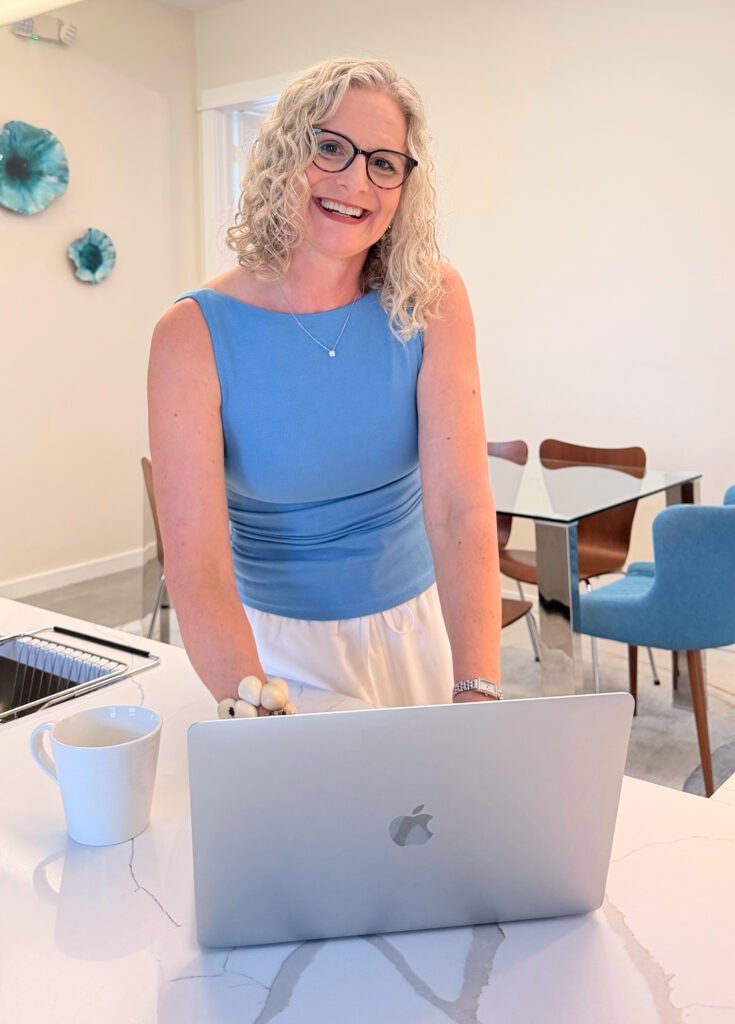
Registered Dietitian Christie Caggiani is a Certified Intuitive Eating Counselor. She plays an integral part in the healing journey for clients dealing with disordered eating.
Frequently asked questions
Do I need an eating disorder diagnosis to get help?
No. If food or body concerns are affecting your life, support is available.
Can I see a therapist and a dietitian at the same time?
Yes. Most clients do, and our clinicians collaborate so your care stays coordinated.
Do you offer telehealth?
Yes. Sessions are available online across Florida, and in person at our Boca Raton, Delray Beach, and Palm Beach Gardens locations.
Make peace with food
Reaching out can feel difficult. Wherever you are in you journey, we are ready to help.
Call 561.278.6033 or